
Blog

Most brain injury victims can seek economic damages to cover medical bills and lost income, and non-economic damages for such losses as pain and suffering. They can even recover compensation for expected future losses. But claiming damages requires skilled legal counsel.

If you or a loved one have suffered a brain injury from an accident, it will dramatically affect all aspects of your life. Our personal injury attorneys are here to help you fight for the compensation you deserve. Count on Carden Dotzler Hammond, PLLC.

Economic Damages You Can Claim

Brain injury (also known as traumatic brain injury or TBI) victims generally incur tangible losses for which economic damages are sought. Economic damages are so named because the calculation of their value is relatively objective and straightforward. Here are some examples:

  • Medical expenses: Among these are costs for hospitalization, emergency room visits, rehabilitation, therapy, medications, and much more.
  • Future medical expenses: Brain injury victims often need long-term medical care and will have bills for ongoing treatments, home modifications, assistive devices, and mobility equipment.
  • Lost income: This category covers money that the brain injury victim loses during hospitalization, recovery, and for related matters.
  • Lost income-earning capacity: A brain injury will negatively impact a person’s earning ability, costing them future income, bonuses, promotions, and benefits.

Non-Economic Damages That Are Available

These damages are more subjective in nature, not lending themselves to a straightforward mathematical calculation the way economic damages are. They are designed to compensate a victim for the personal impact of an injury, and include:

  • Pain and suffering: The physical pain and discomfort of a brain injury is sometimes hard to understand, which is why the victim deserves compensation.
  • Emotional distress: TBI victims often undergo changes in their personality and accompanying problems like anxiety and depression.
  • Decreased enjoyment of life: After suffering a brain injury, you may be unable to enjoy the life you once had, and you can be compensated for this loss.
  • Loss of companionship: This category measures the effects of a brain injury on the victim’s relationship with their spouse and family.

Punitive Damages Are Sometimes an Option

Punitive damages are intended to punish particularly egregious, grossly negligent, and willful actions that cause injury. Although they are rarely awarded, they may be available if the at-fault party in your case did something morally reckless or reprehensible.

For example, in New York, the court may order a drunk driver to pay punitive damages if there is evidence of disregard for the victim’s safety. These are not normal drunk driving cases, but those that involve factors like:

  • Additional reckless behaviors, including speeding or reckless driving
  • Extremely high intoxication or intoxication combined with drug impairment
  • Multiple prior DUI convictions and clear evidence the driver failed to learn from them
  • Fleeing the scene after an accident to try to avoid being caught

Every case is different, but an attorney can help you evaluate the specific circumstances of your TBI and determine whether it is possible to ask for punitive damages. The goal is to not only punish the conduct in question but deter future incidents of it.

Additional Types of Case-Specific Compensation

Depending on the facts of your brain injury case, you may also be able to ask for damages that cover:

  • Transportation expenses, especially for frequent and necessary medical visits
  • Nursing assistance and in-home nursing care
  • Vocational rehabilitation so the victim can train for a new job in light of their injury
  • Wrongful death damages if the brain injury ultimate causes the victim to die

Factors That Will Affect Your Damages

Whether you can claim the above damages after a brain injury, and how much they will be worth, will depend on unique case factors such as:

  • Severity of the injury: A mild TBI, like a concussion, leaves a victim with short-term problems. But a moderate or severe TBI could be permanent. The seriousness will affect the medical and financial consequences and therefore the damages.
  • Medical bills: This is one of the largest categories of losses that brain injury victims suffer. Their current and reasonably expected future medical needs will directly impact their damages calculation.
  • Lost income: Both the money lost during recovery and the future impact to one’s income-earning ability are in view here. A brain injury victim may not be able to return to their previous career, costing them significant sums of future earnings.
  • The victim’s age: A younger brain injury victim may need to live with their TBI for much longer, compared to an older victim. Jury awards and settlements often reflect this difference.
  • The effects on your daily life: How the brain injury affects your ability to care for yourself or others, its effect on your relationships, and its impact on your daily activities and interests must also be considered. So, too, must any ongoing pain and suffering you endure.

How We Help Brain Injury Victims

When you retain CDH Law to represent you, we get to work making the strongest possible case for the most amount of compensation. That includes:

  • Investigating the facts behind your accident or other personal injury
  • Collecting evidence, including through the discovery process after a lawsuit is filed
  • Determining the various parties who may be held liable for your losses
  • Calculating the value of your current and reasonably estimated future damages
  • Consulting expert witnesses who can testify as to key aspects of your case
  • Negotiating on your behalf with the insurance companies and lawyers for the defendant
  • Representing you during the mediation process to try to settle the case
  • Trying your case in court if we cannot reach a reasonable settlement with the defendant

We understand that brain injuries are life-changing, and they affect not only the victim but their family and friends as well. Our goal is to seek compensation that reflects the seriousness of your injury. Get started on your TBI case by contacting CDH Law today.

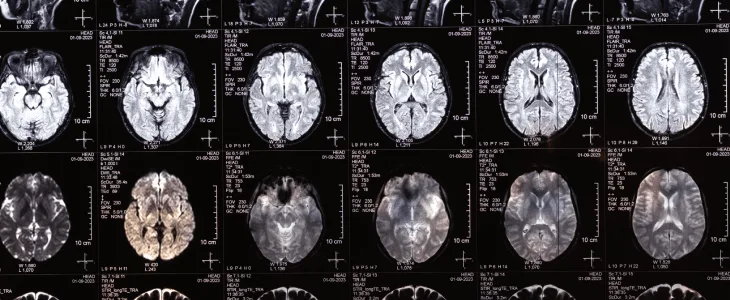
Brain scans
What Compensation Can Brain Injury Victims Seek?

Most brain injury victims can seek economic damages to cover medical bills and lost income, and non-economic damages for such losses as pain and suffering. They can even recover compensation for expected future losses. But claiming damages requires skilled legal counsel.

If you or a loved one have suffered a brain injury from an accident, it will dramatically affect all aspects of your life. Our personal injury attorneys are here to help you fight for the compensation you deserve. Count on Carden Dotzler Hammond, PLLC.

Economic Damages You Can Claim

Brain injury (also known as traumatic brain injury or TBI) victims generally incur tangible losses for which economic damages are sought. Economic damages are so named because the calculation of their value is relatively objective and straightforward. Here are some examples:

  • Medical expenses: Among these are costs for hospitalization, emergency room visits, rehabilitation, therapy, medications, and much more.
  • Future medical expenses: Brain injury victims often need long-term medical care and will have bills for ongoing treatments, home modifications, assistive devices, and mobility equipment.
  • Lost income: This category covers money that the brain injury victim loses during hospitalization, recovery, and for related matters.
  • Lost income-earning capacity: A brain injury will negatively impact a person’s earning ability, costing them future income, bonuses, promotions, and benefits.

Non-Economic Damages That Are Available

These damages are more subjective in nature, not lending themselves to a straightforward mathematical calculation the way economic damages are. They are designed to compensate a victim for the personal impact of an injury, and include:

  • Pain and suffering: The physical pain and discomfort of a brain injury is sometimes hard to understand, which is why the victim deserves compensation.
  • Emotional distress: TBI victims often undergo changes in their personality and accompanying problems like anxiety and depression.
  • Decreased enjoyment of life: After suffering a brain injury, you may be unable to enjoy the life you once had, and you can be compensated for this loss.
  • Loss of companionship: This category measures the effects of a brain injury on the victim’s relationship with their spouse and family.

Punitive Damages Are Sometimes an Option

Punitive damages are intended to punish particularly egregious, grossly negligent, and willful actions that cause injury. Although they are rarely awarded, they may be available if the at-fault party in your case did something morally reckless or reprehensible.

For example, in New York, the court may order a drunk driver to pay punitive damages if there is evidence of disregard for the victim’s safety. These are not normal drunk driving cases, but those that involve factors like:

  • Additional reckless behaviors, including speeding or reckless driving
  • Extremely high intoxication or intoxication combined with drug impairment
  • Multiple prior DUI convictions and clear evidence the driver failed to learn from them
  • Fleeing the scene after an accident to try to avoid being caught

Every case is different, but an attorney can help you evaluate the specific circumstances of your TBI and determine whether it is possible to ask for punitive damages. The goal is to not only punish the conduct in question but deter future incidents of it.

Additional Types of Case-Specific Compensation

Depending on the facts of your brain injury case, you may also be able to ask for damages that cover:

  • Transportation expenses, especially for frequent and necessary medical visits
  • Nursing assistance and in-home nursing care
  • Vocational rehabilitation so the victim can train for a new job in light of their injury
  • Wrongful death damages if the brain injury ultimate causes the victim to die

Factors That Will Affect Your Damages

Whether you can claim the above damages after a brain injury, and how much they will be worth, will depend on unique case factors such as:

  • Severity of the injury: A mild TBI, like a concussion, leaves a victim with short-term problems. But a moderate or severe TBI could be permanent. The seriousness will affect the medical and financial consequences and therefore the damages.
  • Medical bills: This is one of the largest categories of losses that brain injury victims suffer. Their current and reasonably expected future medical needs will directly impact their damages calculation.
  • Lost income: Both the money lost during recovery and the future impact to one’s income-earning ability are in view here. A brain injury victim may not be able to return to their previous career, costing them significant sums of future earnings.
  • The victim’s age: A younger brain injury victim may need to live with their TBI for much longer, compared to an older victim. Jury awards and settlements often reflect this difference.
  • The effects on your daily life: How the brain injury affects your ability to care for yourself or others, its effect on your relationships, and its impact on your daily activities and interests must also be considered. So, too, must any ongoing pain and suffering you endure.

How We Help Brain Injury Victims

When you retain CDH Law to represent you, we get to work making the strongest possible case for the most amount of compensation. That includes:

  • Investigating the facts behind your accident or other personal injury
  • Collecting evidence, including through the discovery process after a lawsuit is filed
  • Determining the various parties who may be held liable for your losses
  • Calculating the value of your current and reasonably estimated future damages
  • Consulting expert witnesses who can testify as to key aspects of your case
  • Negotiating on your behalf with the insurance companies and lawyers for the defendant
  • Representing you during the mediation process to try to settle the case
  • Trying your case in court if we cannot reach a reasonable settlement with the defendant

We understand that brain injuries are life-changing, and they affect not only the victim but their family and friends as well. Our goal is to seek compensation that reflects the seriousness of your injury. Get started on your TBI case by contacting CDH Law today.

About the Author
Attorney Advertising
Website developed in accordance with Web Content Accessibility Guidelines 2.2.
If you encounter any issues while using this site, please contact us: 315.930.4077